
The performance of water companies has been one of the biggest issues over the past few years for the general public and business users alike. Whether it is general performance, the specific problem of dumping sewage in rivers, or the financial woes of companies like Thames Water, these service providers have been in the headlines for the wrong reasons.
Although last year’s general election brought various pledges of new legislation and regulation from different parties, including Labour, who must now tackle these issues, some concerns are persistent and cause continual worry for domestic and business water customers alike.
A key question is what can be done about some of the performance problems, especially when the primary solution proposed by the water companies is to hike their charges substantially to fund necessary infrastructure work. A second question is whether this is acceptable to those affected.
What Will Be Spent And How It Will Be Funded
In December last year, regulator Ofwat agreed that an increase in bills to pay for this was required, with the money raised financing a £104 billion fund for infrastructure improvements and tackling sewage issues, fixing leaks, ensuring future supplies and increasing biodiversity around sites owned by the water companies.
This has been followed by the recent announcement of a £400 million ‘innovation fund’ to pay for projects over the next five years, although this would not be new money, but come out of the larger £104 billion sum.
How this is paid for has been made clear by Water UK, which has revealed that, overall, households will see bills rise from £40 a month to £50, although it will be a lot higher for some. While the annual increase will be 19 per cent for Anglian and Northumbrian Water customers, it will be as high as 47 per cent for those relying on Southern Water.
For domestic customers without a choice, this will be a hit they just have to take, although some help will be available for those whose limited financial means will make this a struggle. But when it comes to commercial supply, there is a difference; if your provider wants to impose a big hike, you can choose to switch business water supplier.
Imposing such a hike may be an option for water providers with a high volume of business customers who also serve the domestic market, as this could keep rises for the latter group down and raise extra revenue for investment.
Not Just About Price
Price alone may not be the final factor in such a decision, of course; for the worst thing that can happen is when a water user suffers service disruption. In a home, this can be very inconvenient. In a business, this can be critical for output, or lead to damage as a result of water deprivation, especially in the agricultural and horticultural sectors.
Indeed, a major question may be whether, after raising prices to invest in infrastructure and tackle problems with their networks, water providers will have fewer problems in terms of delivering supplies to their customers, be they domestic or business. If the money is at least spent well, that may be a reason to stick with a provider.
That, of course, means the reverse is also true and there will be intense scrutiny of performance once the extra money starts to get spent and new, supposedly cleaner and more reliable infrastructure is put in place. Providers will have to get it right.
Government Plans For New Reservoirs
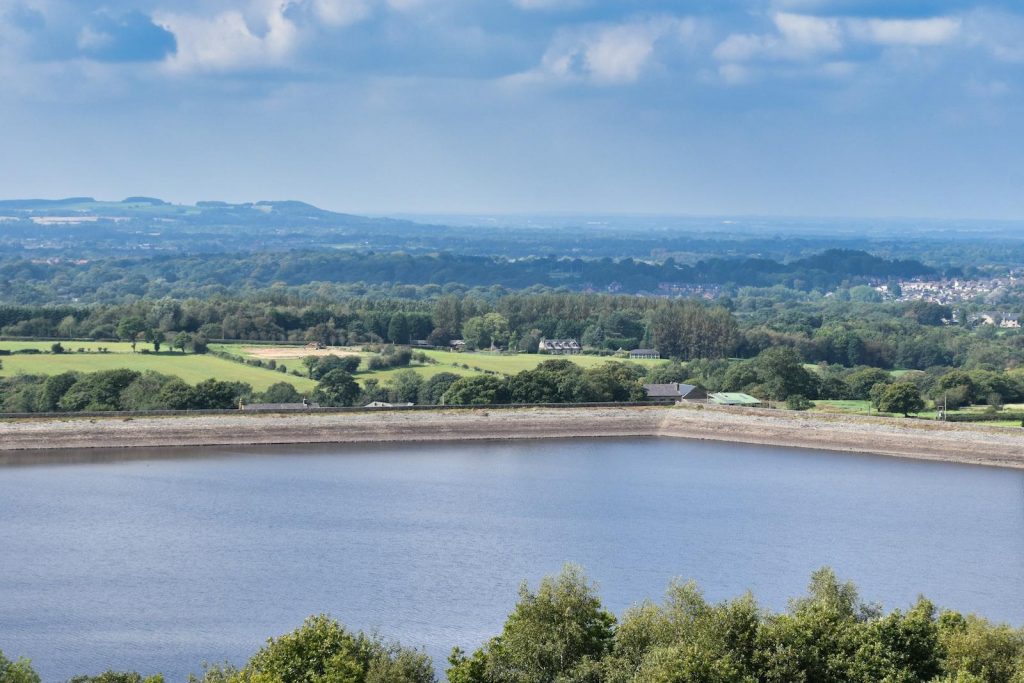
A key part of infrastructure development and the security of supply lies in new reservoirs. The Labour government took office with a manifesto pledge to build the first new reservoirs in England in over 30 years. In fact, some were already on the way, including a planned reservoir at Abingdon, which has run into fierce local opposition.
Chancellor Rachel Reeves, announcing a programme of new development aimed at bolstering the economy, has publicly backed the reservoir and has pledged a total of nine will be built across England in the coming years.
Some of the funding for that may come from public money as part of the wider drive to invest in infrastructure that includes creating a ‘Silicon Valley’ from Oxford to Cambridge and a controversial third runway for Heathrow Airport.
This, however, is all about the longer term. That means any decision a company makes on changing water suppliers now must be based on the current level of service provided, not just in terms of price, but also performance. Future promises of better things as a reward for paying more now will be less easy to trust if the provider is failing in the here and now.