
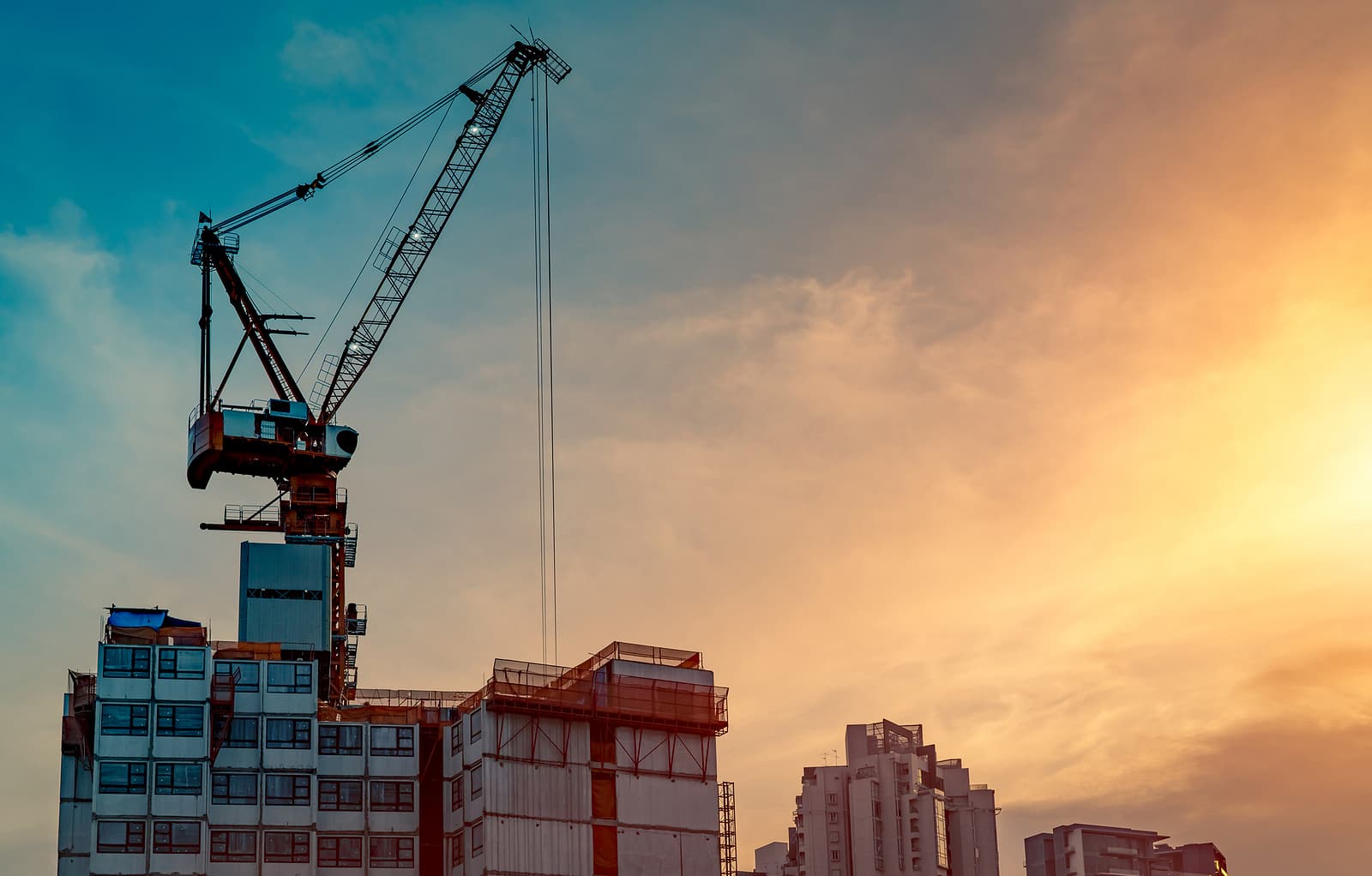
The urban horizons of the UK are constantly changing with new construction projects in development across the country. The construction industry in the UK is growing consistently, year on year, at 2.4 per cent.
The sector has an annual estimated turnover of £370 billion, and it ranges from tiny developments to multi-million-pound infrastructure projects.
Among the projects are many housing estates and apartment blocks due to provide the government’s promised 70,000 affordable and social housing homes.
However, each of these projects needs water at various stages of the process, and even before a summer of droughts, experts predicted an enormous shortfall in potable water supply. But how do water shortages and interruptions affect construction?
How does water supply impact building companies?
Water as a raw material
Water is used as a raw ingredient in binding aggregates such as sand, with cement to make concrete and mortar for building. It is also used to allow poured concrete to harden at a slower rate by wetting the surface and so allowing the finished material to be stronger.
Dust control
Drilling, demolition and cutting materials on side generates a large amount of dust which can be hazardous to humans and wildlife. Water is used to dampen key areas and suppress aerosolised dust.
Cleaning
Pressure washers and hoses are used to clean surfaces and equipment throughout the construction process.
Essential on-site services
Drinking water and water for hygiene purposes are vital for the welfare of workers on site, and in any offices a construction company may hold. The supply of potable water on a project site comes under HSE workplace facilities guidance for employers.
Water supply for the finished project
When a building project is finished, it will need to be connected to a water supply if it is to be used for human habitation or a workplace. It will need a domestic water supply connection for housing and a SPID for public, institutional, commercial or industrial buildings.
How do water shortages impact construction projects?
Rising water costs combined with shortages of water have a direct impact on all construction projects.
Increased overall costs
One direct impact is that operational costs will go up. OfWat’s approval to increase non-residential water tariffs in 2025, plus further agreements to allow price bumps in the next few years, mean bills may rise significantly.
One way to bypass some of the price rises is for companies to shop around and switch their business water supplier to take advantage of cheaper or fixed tariffs.
The price rises are designed to fund essential infrastructure to increase water capacity and improve resilience. In the future this will allow for more construction projects, and therefore growth, but for now it is an additional cost for companies to absorb.
Water restrictions and efficiency
Water usage will need to be monitored more closely in construction, and companies who employ water efficiency plans and technology can save money. These can include recycling greywater and harvesting rainwater.
The use of these technologies might give companies an advantage in bidding for projects with sustainability clauses, and be of benefit to the environment.
Delays to projects
Shortages or interruptions to water supply due to droughts and network maintenance can cause havoc with project timelines. They can cause serious delays, especially when disruptions are unexpected or reduce workflow capacity.
Ultimately, missing key delivery dates in a project can come with financial penalties and reputational damage. Careful contingency planning can be used to mitigate some of the issues water shortages may cause.
Blocked construction projects
When a project is being built, developers are often required to pay regional water suppliers charges for improving the infrastructure so that more water connections can be added.
However, government planning officials have the capacity to veto new connections if they deem the water infrastructure capacity and supply cannot sufficiently support new buildings. New buildings and developments can be blocked at the planning stage.
This is the case with new housing projects where problems with the drinking water supply availability have stalled construction.
This is especially an issue in the drier south and east of England where droughts and supply interruptions are more common.
Natural England, the Environment Agency and local councils, such as Basingstoke and Deane, are denying planning approval for new housing. Scarcity, resilience and sustainability are impacting existing customers without the pressure of additional water connections.
The conflict between insufficient water supply and the need for affordable new homes is forcing the government and developers to come up with new ideas.
What solutions are there for water supply for new buildings?
Several options may be viable solutions to the water shortage issues impacting construction in the UK.
Water-efficient design
Building homes and offices that are designed to save water, whether by small measures such as dual flush cisterns or by installing greywater recycling and irrigation.
Appliances installed in new kitchens can be water efficient, and plumbing layouts can eliminate some water wastage. Rainwater collectors can be added to guttering for toilet flushes and garden use.
Self supply
One suggestion is for new housing developments to have their own water supply rather than to rely on regional infrastructure. Although rural areas and farms often have their own water source, it is a new suggestion for non-rural domestic supply.
While in theory the idea is sound, when natural sources such as aquifers and rivers are already running dry, it may be difficult to implement.
The hope is that with all the planning, infrastructure investment and plans for water efficiency, future construction projects won’t run dry.