Is your water supplier committed to the safeguarding of rivers and coastlines?
It’s a question that might be on your mind after reading news about sewage pollution.
Despite technological improvements in water treatment and higher environmental standards, some water companies are still getting caught dumping sewage illegally into Britain’s rivers and seas.
Southern Water recently hit the headlines after repeated offences of illegal sewage being discharged into Kent waterways.
The company had already been fined £90 million after a previous Environmental Agency investigation into illegal dumping in Sussex, Hampshire and Kent.
Earlier in 2026, Yorkshire Water was subject to an Environment Agency enforcement penalty of £2.35 million. The water supplier admitted to seven cases of illegal sewage discharges and is making financial reparations to various Rivers Trust and wildlife charities.
The case requires Yorkshire Water to repair damage and prevent further incidents. The company is also committed to a £1.5bn investment in coastal and waterway improvements over the next five years.
Sewage discharge is regulated by the Environment Agency, and the estimated number of illegal spills each year is in the thousands, which begs the question: are all water companies doing it?
Do all water companies dump sewage?
Technically, yes, all water companies dump sewage, but there are instances where some types of sewage spills are safer and legal in the UK. There are two types: treated and untreated.
Treated
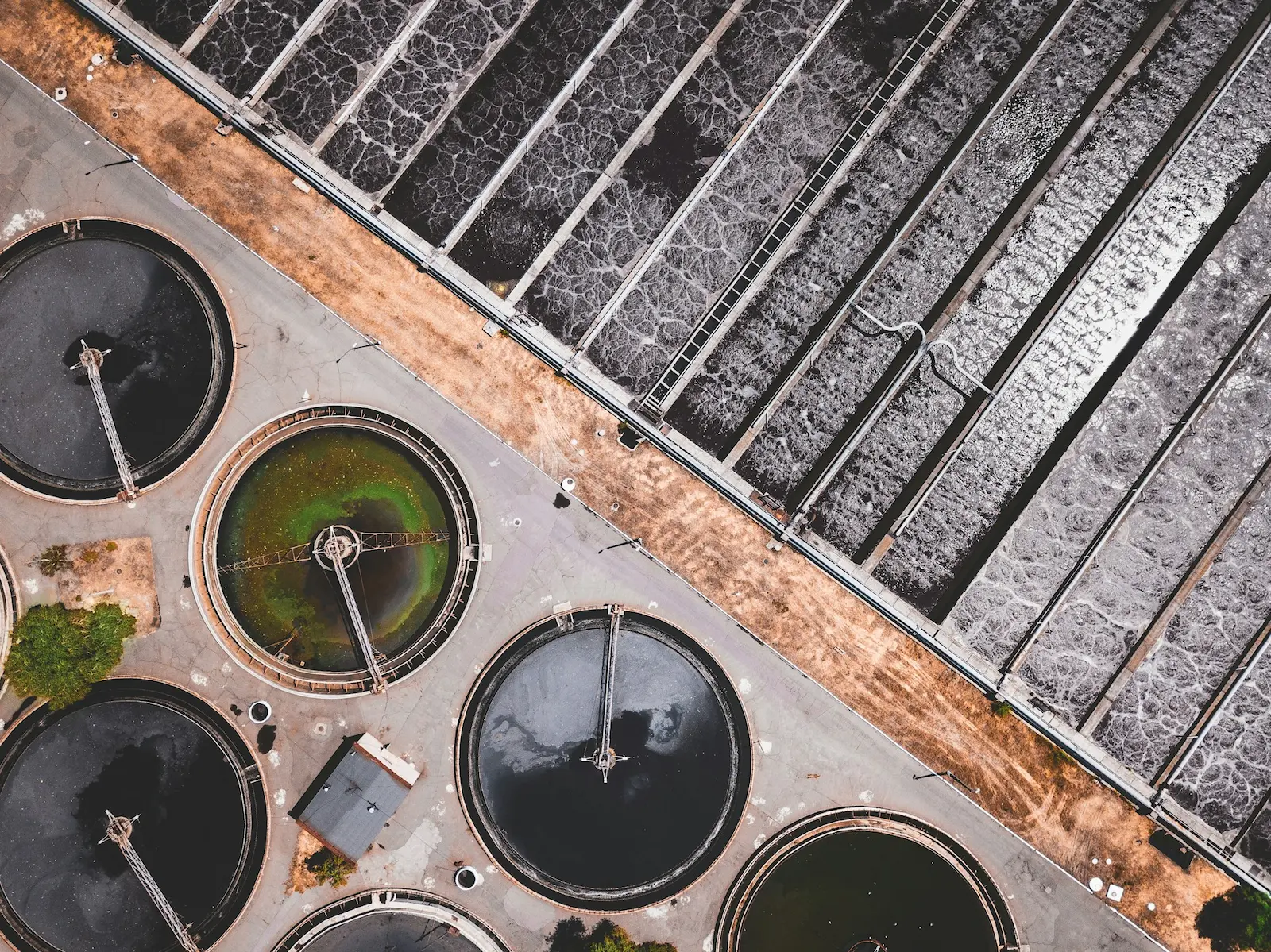
Treated wastewater can be discharged into waterways by companies if it has achieved permitted environmental safety standards.
Additionally, there are households and off-mains (septic tank) properties that can release treated sewage into running waterways or fields. However, these must abide by the General Binding Rules.
Untreated
Untreated discharges are allowed through combined sewer overflows – which mix sewage and rainwater – when there has been high rainfall.
However, they are only permitted to prevent flooding, and if the sewage is diluted with rainwater. The idea is to prevent raw sewage from backing up and flooding people’s homes and businesses.
Although this sounds awful, it is designed to be used only in cases where precipitation exceeds the capacity of the infrastructure. It is not a business-as-usual occurrence.
What is dry spilling?
Although there are legal ways to release sewage into waterways, there are also illegal ways. Apart from wastewater that has failed to reach environmental standards, there is the issue of dry spilling.
Dry spilling is when the combined sewer overflows are used to illegally release undiluted sewage into rivers and seas. This is extremely hazardous to humans and the health of flora and fauna in the area.
If the rainwater levels are less than 0.25mm on the day and the previous day, it is classed as a dry day. Storm overflows are monitored every day by authorities to determine how much they are used.
Storm overflows that are used during dry days are subject to investigation by the Environment Agency to determine if it is a deliberate or accidental sewage discharge.
If there is a breach of law, the Environmental Agency can prosecute offences with fines running into the millions of pounds.
It is then up to the water company to take action to rectify the situation, either by improving treatment facilities and infrastructure or, if possible, by repairing the damage caused by the sewage spill.
How does sewage dumping impact the environment?
Surfers Against Sewage charity campaign against sewage pollution, describing its impact as “devastating” to the environment. Not only is raw sewage discharge dangerous for humans who use rivers, lakes and coastlines, it can also destroy whole ecosystems.
The waste provides fuel for algae, which then smothers other aquatic lifeforms by depriving them of oxygen-rich water. The toxins in the waste are harmful to the lowest end of the food chain, which means less diversity, and marine and freshwater life can’t survive.
How can changing your business water supplier help the environment?
Choosing a water company to supply your business’s h2o may seem small, but it can have a big impact on the rivers and waterways.
Switching business water supplier to a company that invests in improving water quality can help prevent the environmental devastation that raw sewage dumping creates.
Water companies can plough funds into upgrading waste treatment works that can meet tough environmental regulations. They can also provide better monitoring of chemical levels in the treated waste.
As populations increase and businesses grow, the demand for safe removal of business and domestic water waste increases.
Water companies can fund improvements in the capacity of combined sewage and rainwater networks to reduce the amount of raw sewage discharges during wet weather.
Recently, United Utilities committed over £230m for improvements on treatment works in Lancashire. The resulting reduction in pollutants will directly affect the water quality in the River Douglas, where the plant discharges.
The plans will also increase the capacity that the plant can handle and involve implementing new technology in the form of a membrane bioreactor to filter the wastewater.
United Utilities is just one example of a water company trying to be more caring of the environment when it comes to sewage.
By switching water suppliers, you can put your hard-earned pounds into the pocket of a company that prioritises safe sewage treatment and discharge.