
The recent confirmation by the Met Office that the British summer of 2025 was the hottest on record will come as little surprise, along with the fact that most of the hottest summers have been in the 21st century. Indeed, 1976 is no longer among the top five.
Some may find the last of these findings to be the clearest sign of a changing climate. Those old enough to remember 1976 will recall a severe drought. Given how little rain there has been this summer after a dry spring, it is no wonder that most regions of the country have been in drought this summer, too.
This raises some significant questions for consumers and commercial water users alike. For households, the issue may be relatively mundane; whether they can use hosepipes to water their gardens, for instance, or be urged to shower with someone else, no doubt an appealing prospect to many. For commercial users, it is a more serious matter.
Whether it is a golf club needing to water the greens before play on a hot summer’s day, a drinks company serving thirsty customers, or a firm freezing the water to make ice lollies, any company needing water for its work could be in deep difficulties if they are deprived of this resource. If you have doubts over this, you may want to switch water supplier.
The suppliers may have to be innovative too. One reason for this lies in the issue of reservoirs.
Big Plans After 30 Years
When the current government took office last year, it did so with a manifesto pledge to build the first new reservoirs in the country for more than 30 years. Plans have since been unveiled for nine such schemes, some of which were already in progress, but making them happen may be another matter.
Among the largest planned projects is the Abingdon Reservoir, which Thames Water plans to build. So far, it has defied local opposition from political opponents and local campaigners, but the ongoing campaign against it has been emboldened by revelations such as the cost now being estimated at £7.5 billion, triple the original price tag.
This may prove highly problematic in view of the fact that Thames has been in such financial difficulties, while elsewhere, some schemes are sure to face opposition of their own.
How the public in Somerset feels about the prospect of a second Cheddar Reservoir is soon to become clear, as a public enquiry has been opened into the scheme. Planning permission was given in 2014, but it has since lapsed.
Bournemouth Water, Bristol Water, South West Water and Wessex Water are all involved in the scheme, so if major public opposition arises, the consequences could be far-reaching.
Spades In The Ground
In one place, progress has already gone way beyond planning permission; ground was broken on the Havant Thicket Reservoir in September 2024.
It may have helped that there is no plausible environmental case against the project, as it will provide an alternative to tapping the water of Hampshire’s chalk streams, a globally rare aquatic habitat.
Similar arguments are being proffered for the Cheddar scheme. Steve Lanzon, director of West Country Water and Environment, an umbrella group encompassing the four interested water companies and the Environment Agency, said: “The scheme supports our commitment to reduce taking water from the Rivers Exe and Otter and precious underground aquifers.”
Such details may be significant in helping stave off any significant opposition to the scheme, as may the useful fact that planning permission has been granted before, which would make any arguments against the scheme now seem rather posthumous.
Why The Haweswater Project May Be An Exemplar
However, even with new reservoirs being constructed, there are limits to the benefits. Months of dry weather mean more evaporation, a lack of replenishment and the water levels plunging.
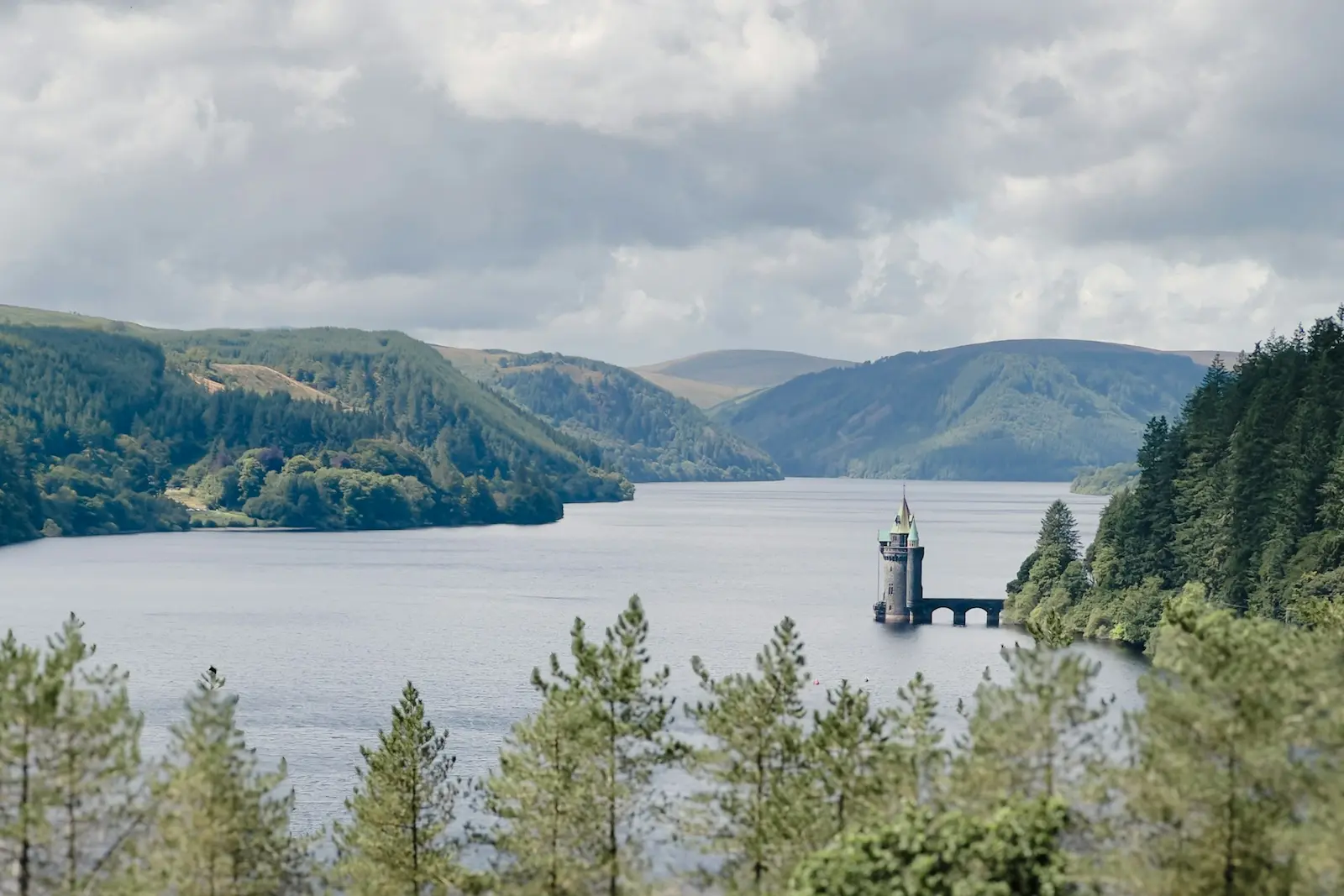
This is the kind of issue that makes the headlines when there is a picture to be taken of an old bridge or homes in any reservoir that required the vacating of an old village. Such images have emerged this summer, of bridges in South Yorkshire’s Agden reservoir, or the old village of Mardale Green in Haweswater.
What this indicates is that more reservoirs may not be a panacea if they, too, cannot get enough rainfall. Therefore, customers may look closely at what suppliers are doing to ensure the supplies they do have are maximised, with leaks eliminated as much as possible.
In the case of Haweswater, this is happening now, with various contracts being signed as the nuts and bolts of a United Utilities plan to repair the ageing aqueduct carrying supplies from Haweswater to Lancashire and Greater Manchester fall into place.
You may be wise to ask what your supplier is doing for long-term water resilience and be ready to switch if the answers are unsatisfactory.