In 2025, UK businesses used 221 million litres of water a day; a huge volume of water demand putting pressure on a system already in crisis.
Water shortages and interruptions in supply are expected to increasingly impact homes and businesses in England and Wales over the next few decades. A lack of potable water can have a huge impact on a business’s bottom line.
Every business in the UK will use water, whether it’s solely for employee hygiene or whether the manufacturing processes depend on water as a raw material.
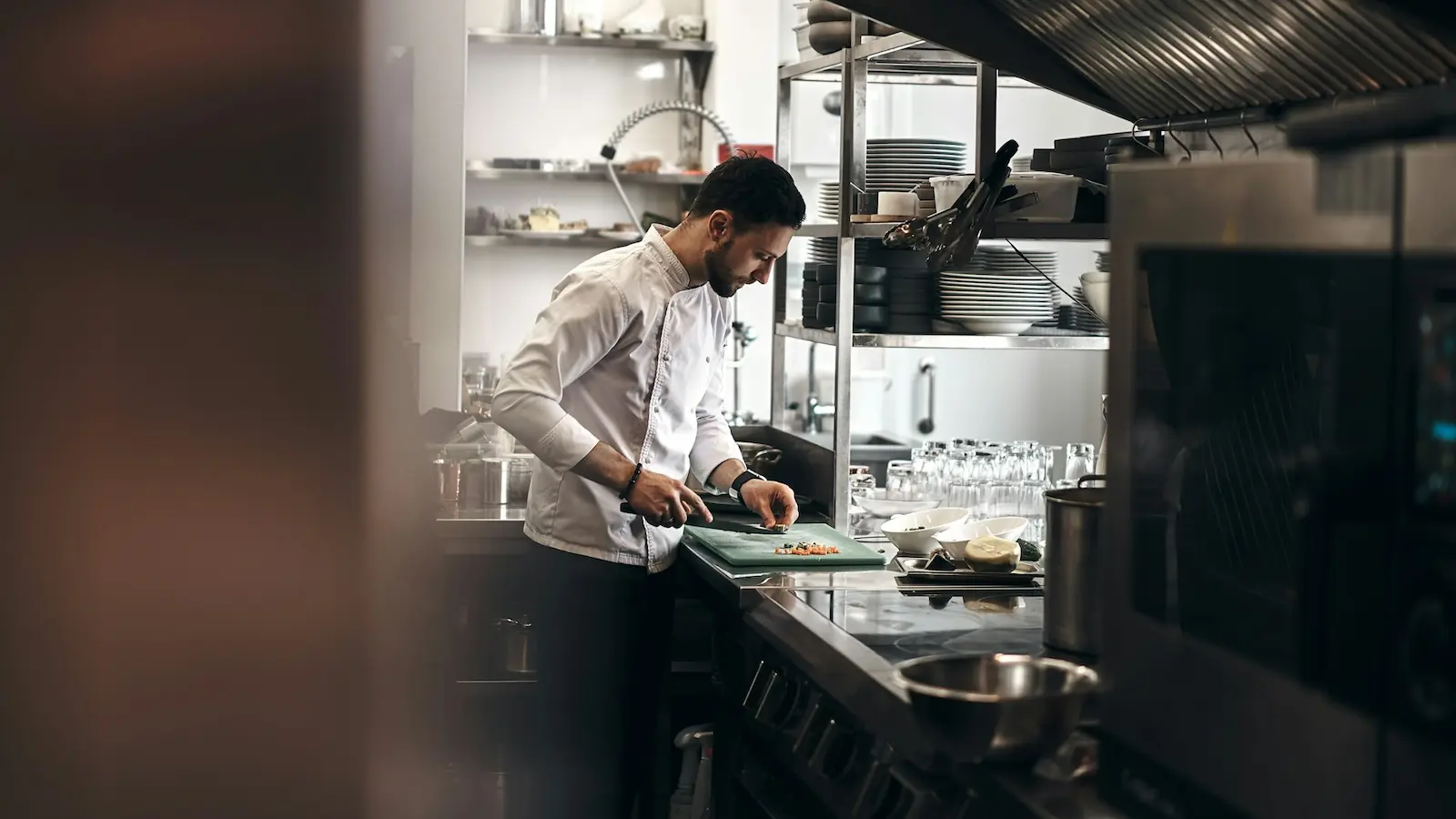
One key industry where water is essential is the hospitality sector. Hotels, restaurants, bars and cafes all need large quantities of drinking water to keep their customers fed, hydrated and happy.
How does the hospitality industry use water?
Water has many uses in the hospitality industry, including:
- Preparing food and drink
- Washing dishes, glasses and kitchen equipment
- Bathroom facilities for guests and staff
- Washing linens such as towels and bedclothes
- Cleaning of surfaces such as floors or windows
- Maintaining outdoor spaces
More and more organisations are being asked to look at how efficiently they use water in their day-to-day operations.
The question is how to reduce water consumption without compromising on hygiene or customer comfort?
Below are some water-saving tips to consider that could save water and save money on bills.
Could using smart monitoring make water usage more efficient?
Knowing exactly how much water your business uses is a step toward paring down the volume used. Installing smart monitoring systems in key areas can help identify where leaks occur and where taps are left running too long.
Clever sensors can detect water leaks by monitoring flow and pressure in systems and report them in real-time. They are more cost-effective in organisations with larger water consumption.
Water meters can be installed for new customers when you switch business water suppliers. This can help SMEs monitor their overall water use.
Can conducting a water audit help your business?
For business owners invested in reducing water consumption a good place to start is by conducting a water audit.
Recommended by The Sustainable Restaurant Association, an audit will aid in ascertaining exactly where you use water, any leaks and any patterns in use.
You can use the audit to create a plan for potential changes, where savings could be made and reduce unnecessary water use. Set SMART goals to help you achieve the water-saving ambitions.
Can plumbing adaptations reduce water use?
Plumbing in water-saving devices can drastically cut the volume used. Some easy fixes include:
- Push-button showers and basin taps
- Touchless taps that operate using infrared
- Kitchen spray taps with ‘dead man’ levers
- Dual flush toilets
- Installing showers rather than baths
- Installing a more efficient dish or glass washer
Not all of these solutions may be practical or affordable for your business but they are worth considering when the time comes for renovations and upgrades.
Can rainwater harvesting reduce water consumption?
A natural and free source of water, rainwater can be collected and used for landscaping, watering lawns and indoor foliage.
By making some relatively easy adaptations to gutters or downpipes and adding a storage tank, you can use rain as an alternative to tap water. Even though it isn’t suitable for drinking water, your lawns and vegetation won’t mind.
In some cases, it may be possible to use rainwater for flushing toilets, though this will require upgrading some of the internal plumbing system.
Can changing habits in the workplace improve water conservation?
Little habits add up to big changes in water conservation. Training employees to think about how they use water will make your business more eco-friendly and, over time, potentially reduce bills.
Implementing a water stewardship programme is recommended by the World Hospitality Alliance. In the meantime, here are a few simple changes to encourage.
Reporting and fixing leaks
It is estimated that a leaking tap can lose up to 20 litres of water every day. It seems an obvious one, but if you don’t know a tap, toilet or pipe fixture is leaking, you can’t repair it.
Encourage staff to regularly inspect plumbing while cleaning guest rooms and facilities, and report it to management.
Don’t pre-rinse dishes
Modern dishwashers can handle a lot more grease than they used to. It might not always be possible if food is baked on, but cutting down on pre-rinsing lightly soiled dishes can help.
Fully load the dishwasher
Wait until the dishwasher or glasswasher is full before turning it on. Running a half-load will waste water.
Is there funding available for businesses to save water?
Water suppliers may have funding available to support businesses wanting to save water. The Northumbrian Water scheme has strict eligibility but provides funding and accountability if an organisation’s application is successful.
In hotels and in the food and beverage industries, there is no getting away from the fact that mains water use is vital for business.
Minimising water usage can not only benefit the environment and your bills, it can also leave you a little less vulnerable when there are water shortages in the future.