
Companies may have many motivations for switching water supplier, ranging from pricing to service standards and reliability of supply. But pollution issues can be a major consideration as well.
It is not just that incidents of foul sewage being poured into what should be healthy watercourses are irresponsible, illegal and environmentally damaging, though they undoubtedly are; such events can have some direct knock-on effects on companies.
These can either occur by impacting the quality of water supplied or less direct means, such as making the environment less attractive, which can affect those with open-air attractions. Sports venues like golf courses will suffer if the nearby river stinks, while there can be major knock-on effects in tourist areas otherwise known for their beauty.
Waste Woe For Windermere
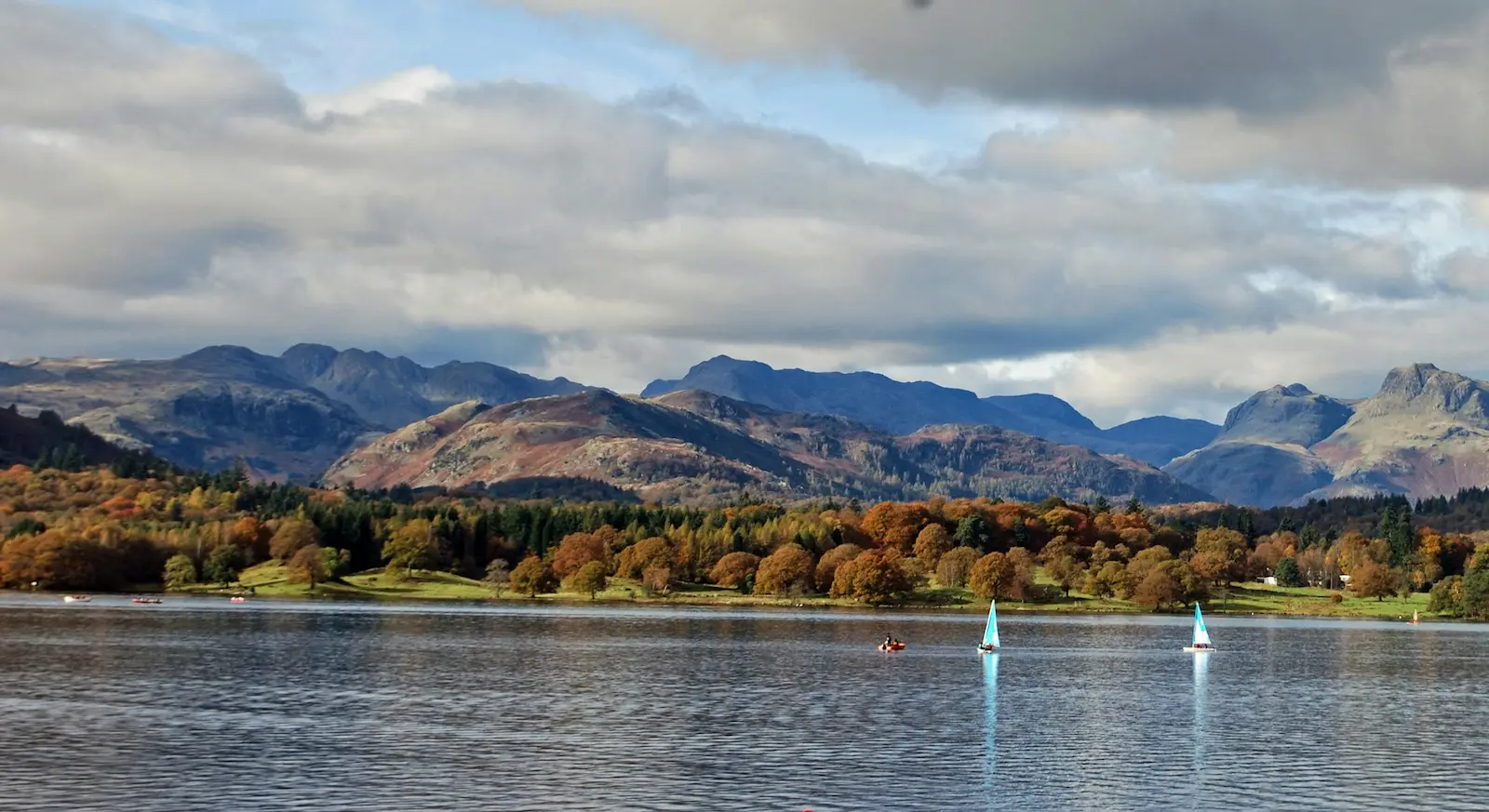
Nowhere in England has seen the impact of pollution on a place that should otherwise be at the apex of scenic tourism than Windermere, the largest lake but also a tourist honeypot as the crowds flock to the villages, hotels and myriad tourism attractions along its shores.
However, the ten and a half mile length of water is far from pristine, with United Utilities in the spotlight, not for the first time, but this time more seriously than ever for a record number of illegal sewage spills that have ended up seeping into the lake.
The BBC highlighted details produced by environmental pressure groups Windrush Against Sewage Pollution (WASP) and Save Windermere, which stated there had been 140 incidents in 2024, more than in any of the three previous years.
United Utilities told the BBC the figures were “inaccurate” and some data used “erroneous”, but, the broadcaster stated, they did not respond to its request to detail in writing any particular examples of claims the pressure groups might have got wrong.
Indeed, the BBC itself has previously reported on major incidents, including a pumping station leaking 140,000 litres of sewage into the lake between 2020 and 2023, while a 2023 Panorama programme accused United Utilities of failing to properly report incidents of pollution.
A Growing Algae Problem
A notable effect of the pollution has been a plethora of blue-green algae blooms. This can make the water look green and unpleasant, is dangerous for swimmers and can be lethally poisonous to dogs.
Windermere is not the only lake or river in the national park affected by algal blooms in recent years. Others include the Rover Rothay near Grasmere, Coniston Water and Loweswater. Nor can this be linked to these places being among the more populated in the area, as Loweswater is a small, remote lake on the north-western edge of the national park.
Quite apart from these dangers and the unpleasant effects of foul sewage dumping, the impact on tourism can be significant. Indeed, some commercial water users may rely on tourism for some of their custom, which is why pollution incidents of this kind can be such a problem.
Storm Overflow Incidents Increase
United Utilities was recently identified by the Environment Agency (EA) as the worst offender for pollution spills in 2024, with over 77,000 incidents, although the problem is far from confined to one company. Indeed, sector-wise EA storm overflow spill date for last year shows a slight rise in incidents from 2023.
Alan Lovell, the chair of the EA, said: ”This year’s data shows we are still a long way off where we need to be to stop unnecessary sewage pollution.”
This would suggest the problem is much broader than the headline-grabbing incidents affecting one particular company on one specific high-profile lake. That is not just because of what may happen on the quieter shores of Loweswater, but because the more widespread incidents are, the more commercial water users will be impacted by pollution incidents.
Indeed, such customers might not be in the middle of a national park, nor even in a particularly scenic area. But even in towns and cities, there will be oases of green beside rivers, streams and small lakes, where pollution will make what would otherwise be a pleasant patch of land repellent.
A Reminder To Water Companies
Reflecting on the recent storm overflow data, Mr Lovell noted that the data “provides vital intelligence that drives targeted investment,” with £10.2 billion set to be spent targeting the problem.
That should be where some of the money commercial water users pay goes. But Mr Lovell also warned the water companies to remember that their responsibility will not suddenly start at some point in the future, once the money has been spent and new infrastructure is in place.
He emphasised: “While these improvements get underway, we expect water companies to do what customers pay them to do: ensure their existing assets are maintained and operating properly.”
That should be true everywhere, from the smallest stream to the biggest lake.