The world is going through a global water crisis, but here in the UK, we are spared the worst of it, thanks to regular rainfall throughout the year. However, a recent dry spell means that businesses need to manage their water use more carefully to avoid being left without necessary water supplies in coming months.
Even though the UN World Water Development Report revealed as many as two billion people do not have access to safe drinking water, Britain is protected from this on the whole, as it receives an average annual precipitation of up to 1.4m.
Prevailing winds coming across the Atlantic Ocean and North Atlantic Drift means it has a moist climate, with rainfall typically being heavier in the summer months of June, July and August.
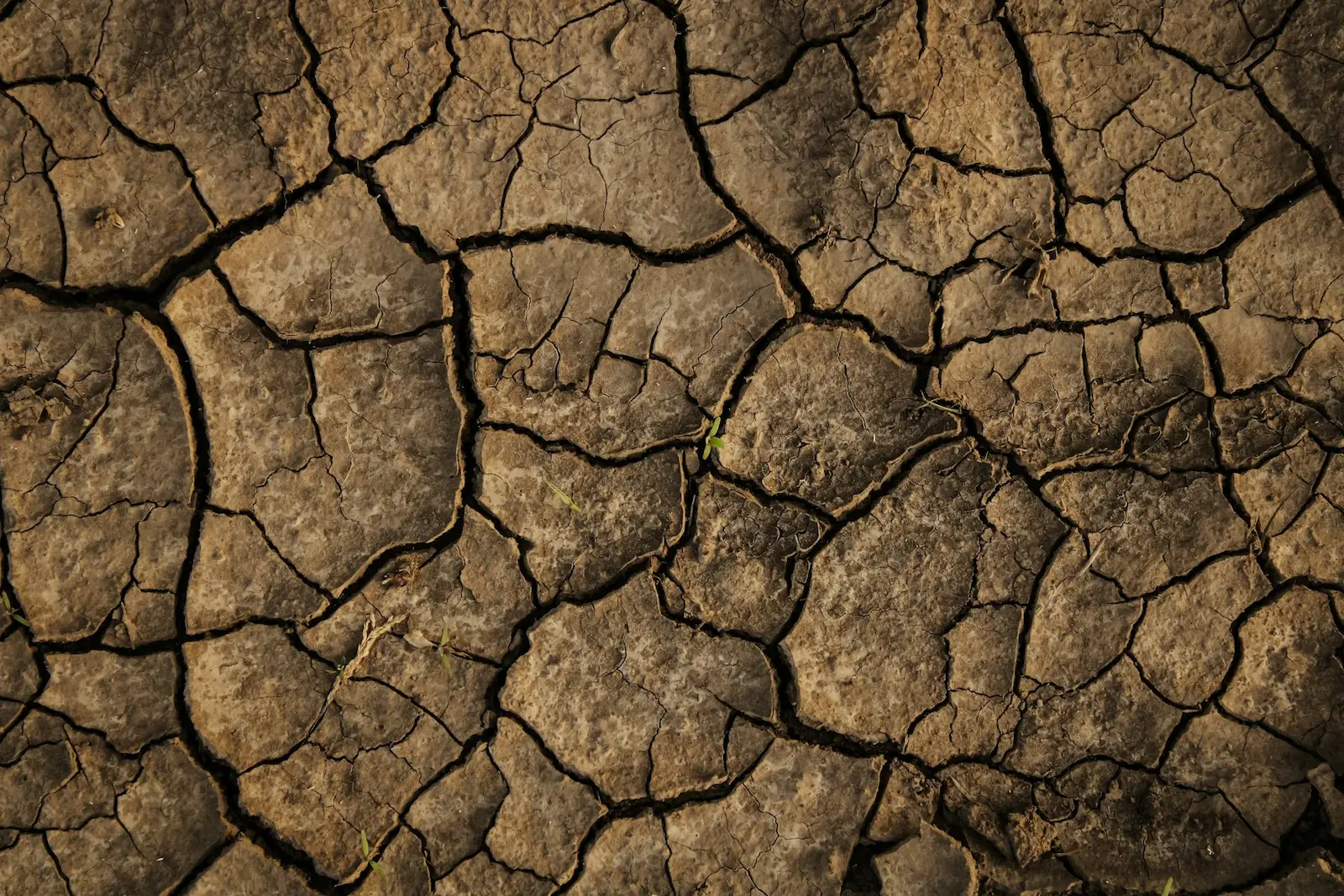
Recently, it has been a different story though, with the Met Office revealing March was the sunniest England has seen on record. It was also very dry, recording just 43 per cent of its average rainfall for March.
Scotland was the only place to record more than half its average rainfall at 64 per cent. At the same time, temperatures have been an average of 1.3C higher than normal at this time of the year, and Scotland’s temperatures have risen by 1.7C.
Scotland warned of water shortage
Both a decline in rainfall levels and rising temperatures means there are less water resources available. For instance, river flows are low to extremely low compared with usual springtime levels and, as a result of not being able to be refilled over the winter, SEPA’s monitoring points are dipping further.
It referenced 2022 when there was a drought during the summer and water restrictions were put in place. SEPA revealed that groundwater levels are currently lower than they were in April that year, which could be a sign of a very dry summer ahead.
This is why the Scottish Environment Protection Agency (SEPA) has issued a warning, advising businesses in Scotland to manage their water use more effectively.
It has also suggested they have climate resilience built into their water operations, as water shortages could be a thing of the future.
Head of Environmental Performance at SEPA Kenny Boag said: “Water scarcity is becoming a growing challenge in Scotland, and the data from March shows there is an increased risk that water scarcity could occur early in the season this year.”
In order to help residents and businesses cope with a dry season, SEPA emphasises the importance of climate resilience. Its Corporate Plan is aimed at helping companies and communities around Scotland cope with the impact of climate change by introducing systems to better protect itself from extreme weather.
Mr Boag stated SEPA will “provide regular updates on conditions to ensure businesses can prepare for any potential challenges ahead”. It will also work with the Scottish government and Scottish Water to keep track of water levels and be more sustainable with water resources.
It aims to strike a balance “between protecting the environment and providing resources for human and economic activity”.
What can businesses do to reduce water consumption
All businesses require a good supply of water, whether they need it for industrial purposes or just for staff uses.
That is why it is essential that companies use their water responsibly so they have enough during periods of low water availability.
Among the steps businesses can take to reduce their water usage are:
Harvest rainwater
Businesses should try and make the most of any rainy spell by harvesting the rainwater from rooftops. They can then store this water and use it later on for things like watering the grounds, flushing toilets and washing windows, protecting the supply of safe drinking water for the staff to use.
Maintain water system
Businesses should make sure their water pipes, taps and cisterns are well maintained and any leaks are repaired immediately. This will reduce the amount of water lost unintentionally, preserving the water resources.
For instance, simply installing dual-flush toilets can save thousands of litres of water every year, while something as small as a dripping tap can waste 5,500 litres a year. Therefore, it is essential that any leaks or drips are discovered and repaired as soon as possible.
Teach staff about water consumption
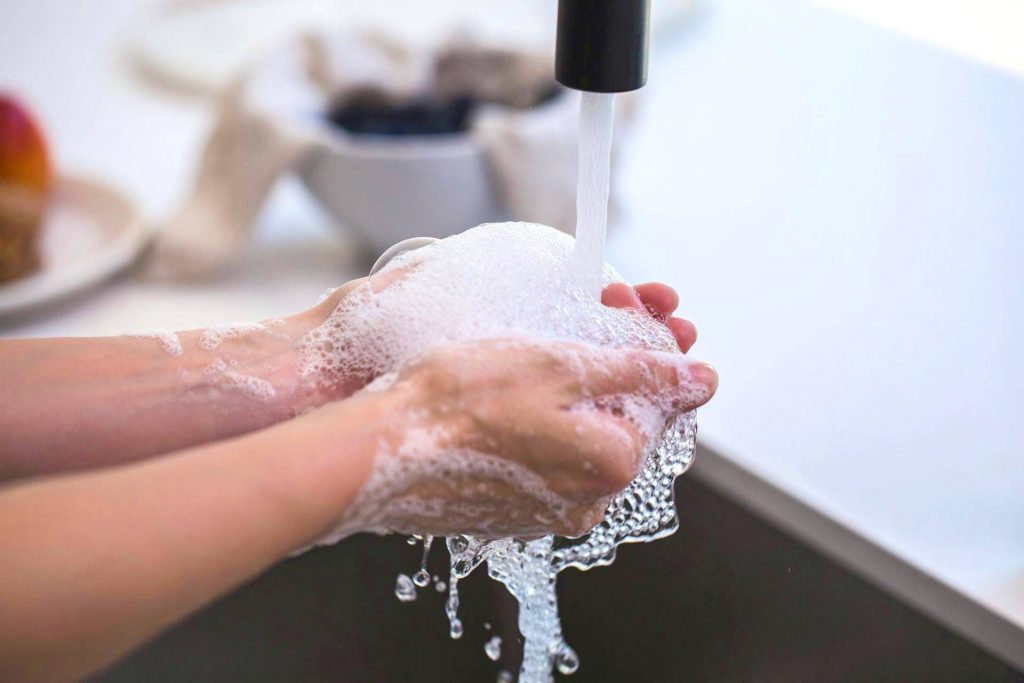
It is important that staff take an active role in reducing their water consumption too. For instance, they could limit the amount of time they leave the tap on for; swap disposable water bottles for refillable ones; fill kettles only with the amount of water required; and report any leaks or drips when they are found.
They could also be encouraged only to turn on dishwashers when they are full, and fill a jug with water and refrigerate it instead of running the tap until cold water comes out.
These changes can have a big impact for the company and help during times of water shortage.
Businesses could also switch water retailers in Scotland to one that is more sustainable, environmentally responsible and has greater water resources, as they can avoid the risk of running out of water during the summer months.