
There are many factors a company may consider in regards to switching water supplier. Price is one, as is water quality, but so too is supply.
Supply problems can occur because of issues with infrastructure, such as leaks and pipeline faults, but these are usually temporary issues. As long as such issues are rare, the consequences for customers will not be so bad. Persistent problems are another matter.
However, there is another way in which supply may be a big problem – drought. A lack of water supplies in the first place will be a huge problem, however good the infrastructure is, although, of course, minimising leaks is especially important when supplies are scarce.
The extent to which a water company may be to blame in drought conditions is open to a lot of debate. On the one hand, it may fairly be said that no water company can make it rain, nor resolve the problem of climate change on its own. On the other hand, it may be argued that such firms have a responsibility to make contingency plans for such situations.
A Summer Of Drought Looming?
All this matters right now because the Environment Agency (EA) has warned there is a danger of a drought unless the weather changes for the wetter.
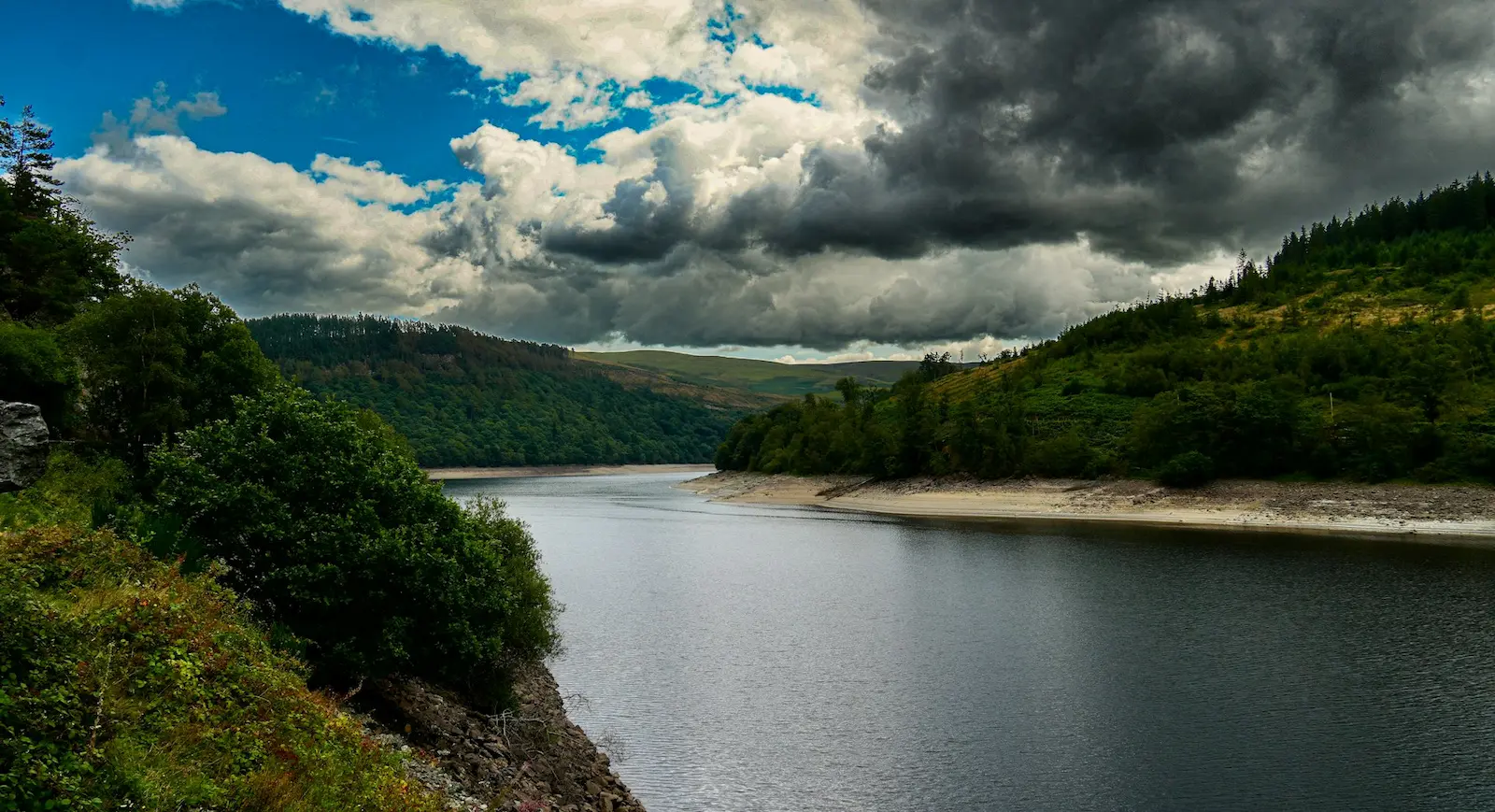
At a meeting of the National Drought Group, at which water companies are represented alongside the EA, the Met Office, central government, farmers and conservation experts, it was observed that a real threat of drought is looming after the driest start to spring since 1956 left reservoirs abnormally low for the time of year.
Dry weather is often seen as a problem in southern England, which is expected to become more arid due to climate change, but in this instance, it is the north west and north east that have had the driest start to spring, with less rainfall than in any year since 1929.
Deputy director of water at the EA Richard Thompson told the meeting that climate change means “more summer droughts” in the decades ahead.
“The last two years were some of the wettest on record for England, but drier conditions at the start of this year mean a drought is a possibility,” he added, noting that it is important to be prepared for this.
Preparing For Drought
Anyone who has lived through droughts in the past will know what kind of things this can involve, such as hosepipe bans, tankers full of water being driven to the worst-affected areas and even public appeals to save water – although it’s fair to say it won’t be Stuart Hall who is seen in the ruins of Mardale Green in Haweswater asking people to turn the taps on less.
That televised appeal by the now-disgraced broadcaster happened back in the very dry summer of 1984. Haweswater itself had been in operation for 40 years at that time (Mardale being vacated in the 1930s), adding further supplies to Manchester following the expansion of Thirlmere half a century earlier.
While the future extension of Manchester’s water supply won’t come via big dams expanding lakes in the Lake District, which became a national park in 1951, the kind of large-scale reservoir building that took place in the past may be needed more than ever now. The level of investment required to bring that about will be very large.
Where New Reservoirs Will Be Built
The EA has estimated the UK will need an extra five billion litres a day by 2050, but the nine new reservoirs now planned for England are all in the Midlands, south and east, as is the planned extension of Rudyard Reservoir in Staffordshire.
None are planned for the north at this point. Indeed, up in the Lake District, the reverse is happening in places. United Utilities recently announced it is lowering the level of Crummock Water, from which it will no longer extract water, or the large tarn of Over Water at the northern edge of the national park.
The dam at nearby Chapel House reservoir will also be removed under the plans, which involve replacing these water sources with supplies via a new pipeline taking water northwards from Thirlmere.
It is not the only time this has occurred in recent years in the Lake District, with Ennerdale Water also no longer having water extracted. However, the question must be raised over whether such steps might need to be reversed if climate change and dry weather mean that even in the wetter north with its many hills and mountains, reservoirs start running dry.
While the south plans to build new reservoirs, it could be that even the north needs to revise how it is planning for the future.


