Business water users need a good supplier that offers a reliable service with value for money. This means price alone is not the sole consideration, for it is no use paying less for an inferior service that lets you down.
Nonetheless, it is equally the case that you do not want to get overcharged just for the provider taking steps to ensure you get the service you pay for, as if they were doing you a special favour when, in many cases, they are simply meeting essential requirements.
A prime example is where water companies spend on infrastructure to ensure adequate supplies, avoid excessive leaks or act to prevent pollution. In many cases, failure to do this involves breaking regulations and potentially facing major fines.
Indeed, South East Water is the latest company in trouble with regulator Ofwat after a series of supply failures that hit both businesses and domestic customers across Kent and Sussex in December and January.
Who Pays For New Water Infrastructure?
A key question faced by customers is this: When water companies do invest in infrastructure and maintenance and, in doing so, provide a better service, will it lead to major price hikes? And if so, will you be better off if you switch water supplier?
This issue already grates for some people facing higher bills from suppliers who they feel have let them down, especially domestic customers who do not have the power to change their suppliers.
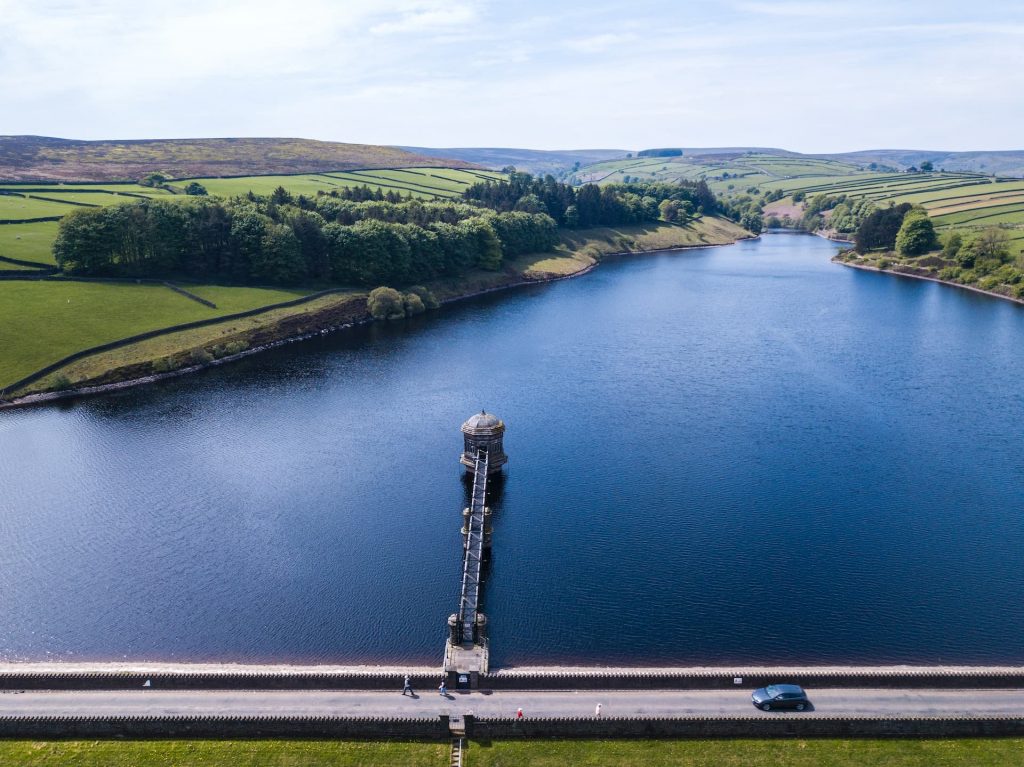
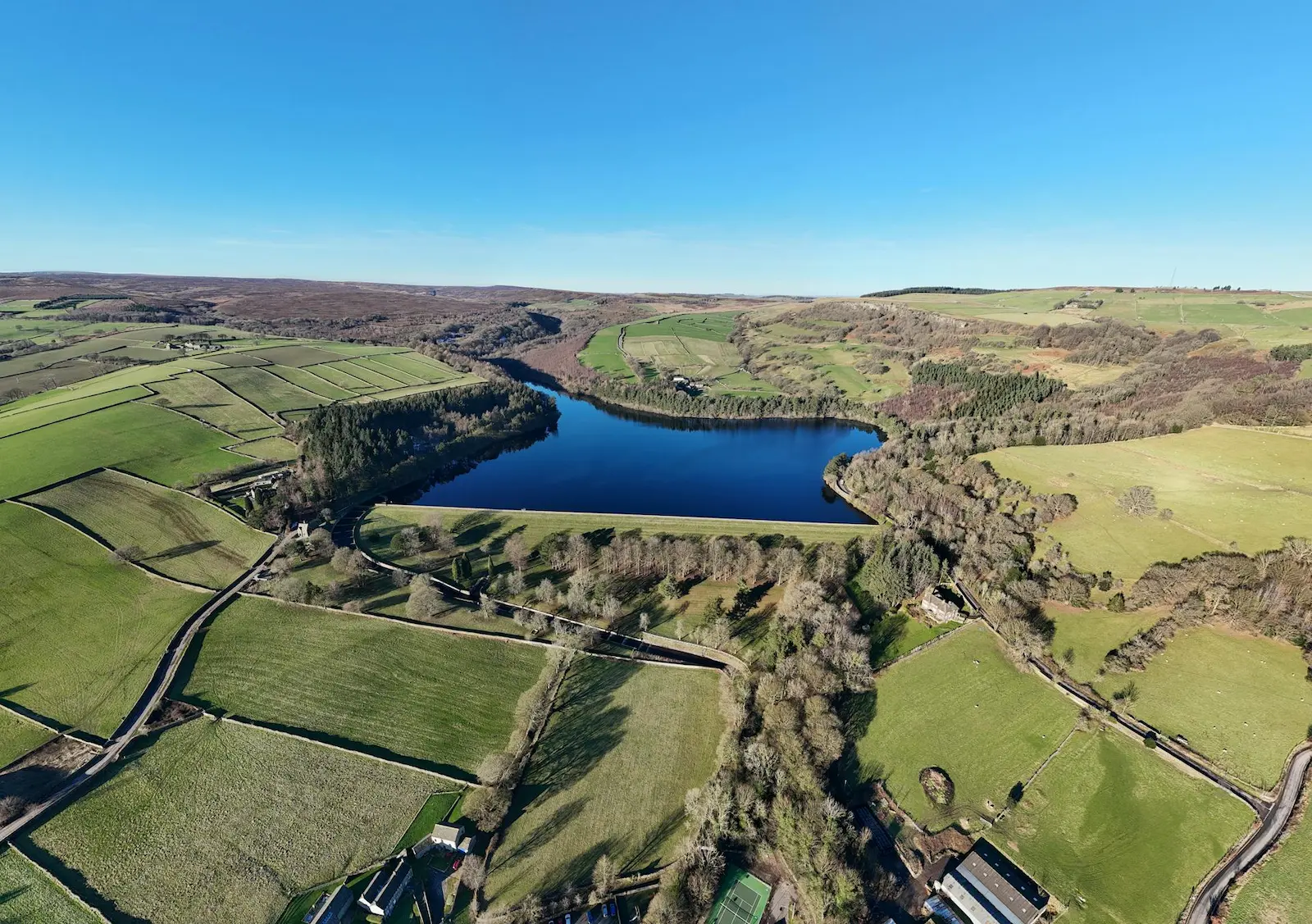
However, the issue goes deeper still. Thames Water, among the most criticised companies and a firm that has teetered on the brink of financial ruin in recent years, is nonetheless involved in a project of major importance to build a new reservoir in Oxfordshire.
Now named the White Horse Reservoir, the project recently went out to tender for £5.7 billion. Thames Water has talked up the various benefits:
- 150 billion litres of storage capacity
- 15 million people will be served by it
- 1,800 jobs to be provided in the construction phase
- It can also provide a leisure and tourism destination
- It will be part of the national target to boost water supply with nine new reservoirs across the south and Midlands of England
Thames Water CEO Chris Weston said: “The reservoir represents one of the most significant investments in water infrastructure the country has seen in decades.”
Why Are Rising Costs A Concern?
However, while the project has now managed to clear most of the planning hurdles despite some local objections, helped by strong government support, the issue of soaring costs is causing concern.
As the Oxford Mail reported, Derek Stork, from local pressure group GARD (Group Against Reservoir Development), has written to DEFRA to express concern at the “trebling” of the projected cost of the reservoir, arguing that this “has undermined the credibility” of the plan.
It may be argued that this is the sort of thing NIMBYs would say, but rising costs are a genuine concern.
Higher costs are not just a matter of the solvency of Thames, but whether this and other reservoir projects will lead to the extra costs manifesting in soaring bills for businesses and households.
At the same time, businesses may be vigilant in checking whether higher costs are used as a justification for inflated prices that bring in much more revenue for the water companies than any project cost increases warrant.
Alongside this is the fear that cost overruns could scupper projects, a nationwide concern with infrastructure across the UK that was epitomised by the curbing of HS2.
What Can Be Done About Rising Project Costs?
With this in mind, the Institute of Civil Engineers recently produced an article advocating major regulatory reforms to reduce red tape, arguing that doing this will make it far easier to get the nine planned reservoirs built.
Reflecting on an event it held jointly with Future Water, the body argued for a more streamlined process, similar to that used for applications to build nuclear power installations or wind farms.
At the same time, the summit also highlighted potential cost pressures arising from “a lack of skills, materials and equipment”.
Some of these problems are related, with one contributor suggesting the uncertainty over planning consent for reservoirs will delay the ordering of equipment used in the construction process.
What all this suggests is that not only may there be doubts about the likelihood of nine new reservoirs being built in the next 20 years as intended, but that the costs involved could be higher than projected.
However, even now, you may see bills going up as water companies work on current infrastructure schemes. You may well ask at what point the service you get is truly worth what you pay.