As a business water user, there are more factors than price alone that will matter when you sign your contract with a supplier.
Key issues include the quality of the water, especially if this is an integral part of your products, as well as the key issue of maintaining supply. Failures in these areas will give you very good reasons to switch.
In the second case, a failure of supply might be the result of the most obvious infrastructure failings, such as broken pipes. It might be less obvious how what may seem a natural problem is, in essence, a challenge that requires infrastructure solutions.
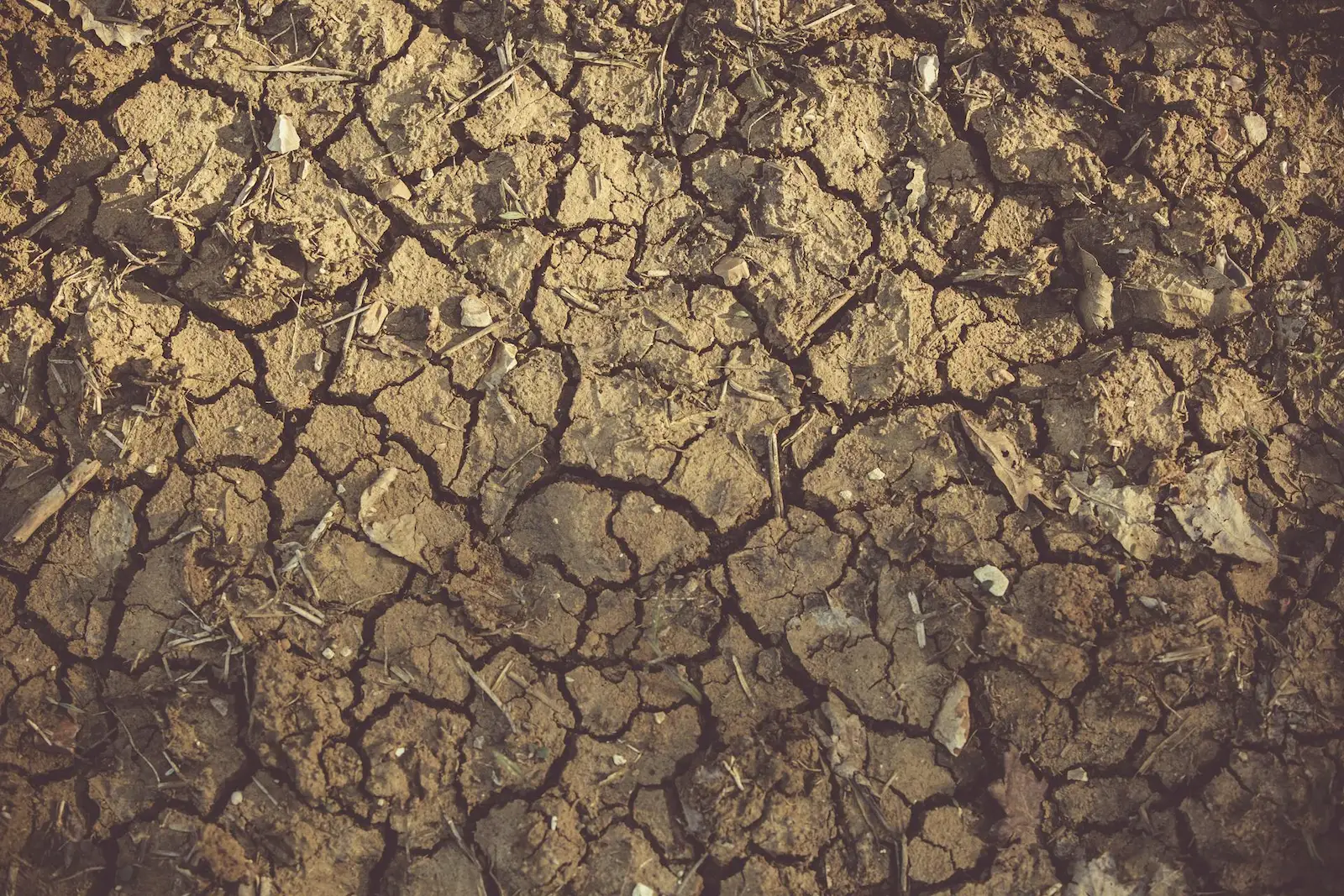
That problem is water supply shortages, ostensibly caused by elongated spells of dry weather, but not something that water companies, water users or those in positions of power could ever plausibly say they never saw coming.
Why This Is Not A Repeat Of 1976
Back in 1976, the summer of a notorious drought, water supplies became so short that British households were left queuing for resources from standpipes in the street. Other late 20th-century summers also produced great shortages, such as 1984.
These were among the last years before the concept of global warming and climate change became part of the lexicon. Summers like 1976 could be seen as simply the driest in a spectrum centred on a largely unchanging average. That can no longer apply.
News that Thames Water has become the latest company to issue a hosepipe ban, affecting 1.1 million people, follows similar decisions by Yorkshire Water and South East Water. Such measures have often been imposed in past years, too, but there is no doubt this has been an exceptionally dry year, with the second driest spring on record in England.
That is not to say the weather cannot also be very wet – the first half of 2024 was very soggy, although summer was close to average for rainfall. But the problems faced this year could be set to get a lot more acute as climate change takes its toll.
The New Normal
Far more significant than the rainfall levels in one calendar year is the fact that we are experiencing more hot, dry summers and, according to a new report by the Met Office, this is going to be the ‘New Normal’. That means more very hot summer weather and fewer very cold winter days and nights.
When extremes become the norm, this does not mean the UK is transitioning to an arid climate, but rather, that dry spells are getting drier and wet spells wetter.
This poses some obvious challenges. While one year, such as this one, may pose problems with very dry weather and reservoirs running low, other periods, like the first half of 2024, could see very large amounts of rain, leading to more floods.
Knowing this is the case means that water suppliers need to prepare for the future. Even if the worst effects of climate change are ameliorated (and this must be in doubt given the scepticism of green policies seen in countries and governments like the US), preparations for the future must ensure water resources are managed better.
The Role Of Reservoirs
Building more reservoirs is part of the solution, as they can store more water to help when it is drier. But it may equally be that reservoirs are needed to collect the extra water that accumulates from periods of high rainfall. Indeed, some of these will need to be strategically placed so that their primary purpose is flood prevention, not user supply.
However, reservoir construction is certainly not the whole story, even when it comes to the issue of supply in isolation. Other infrastructure needs to be up to scratch. Water shortages are made a lot worse when there are more leaks.
This point has been used to attack water companies. The GMB Union has called the Yorkshire Water hosepipe ban “outrageous” given the 95 billion litres of water lost through leaks in the past year.
Leaks have also been used by opponents of plans to build new reservoirs. Opponents of the Thames Water plan for a new reservoir at Abingdon have been swift to point this out, with the 38 Degrees petition against the £2 billion scheme claiming that Thames Water infrastructure shortcomings cause 600 million litres a day to be lost.
Some may have further motives for such criticisms; the GMB is an advocate of water nationalisation, for instance, but what is clear is that as the climate changes, a new normal that fluctuates between scarcity and excess water supply requires a response.
If your supplier is not taking steps to future-proof supplies and infrastructure to handle this, your company will have very good reasons to be concerned about future supply security, and start looking for alternatives.